Applying for clinical positions across Silicon Valley requires clear documentation of your professional credentials. Job descriptions across South Bay healthcare systems frequently specify mandatory life support certifications as hard hiring prerequisites. Misinterpreting these requirements can cause unexpected delays in your onboarding timeline or lead to rejected job applications.
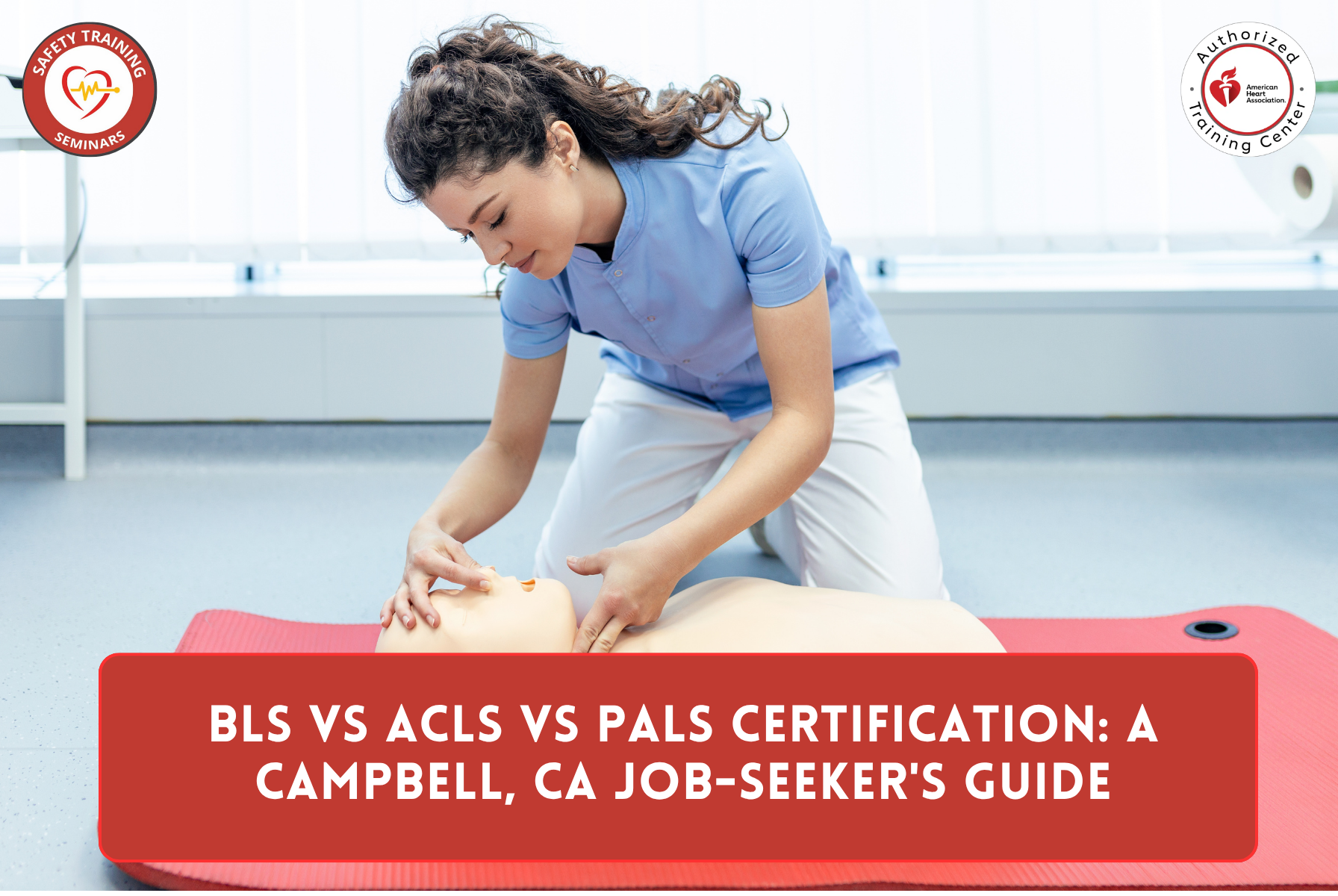
Understanding the distinctions between Basic Life Support (BLS), Advanced Cardiovascular Life Support (ACLS), and Pediatric Advanced Life Support (PALS) ensures you register for the exact course tier expected by local employers. This decision guide breaks down each training level by clinical scope, targeted job roles, and skill complexity for job-seekers in Campbell, CA.
Key Takeaway: BLS serves as the essential foundational CPR credential required for virtually all patient-facing roles in clinical settings. ACLS and PALS represent specialized advanced certifications focused on adult cardiac algorithms and pediatric emergency care, respectively, typically built on top of a valid BLS card.
Mapping Clinical Credentials to Silicon Valley Job Descriptions
Healthcare employers establish certification mandates based on patient safety standards, regulatory compliance, and department risk levels. Choosing the correct course depends heavily on whether your target role involves basic patient care, adult critical interventions, or specialized pediatric care.
Employers explicitly state these expectations during credential verification. Presenting an advanced card without a foundational BLS credential, or applying with a general layperson CPR card instead of professional BLS, will halt hiring workflows.
Basic Life Support (BLS): The Healthcare Entry Standard
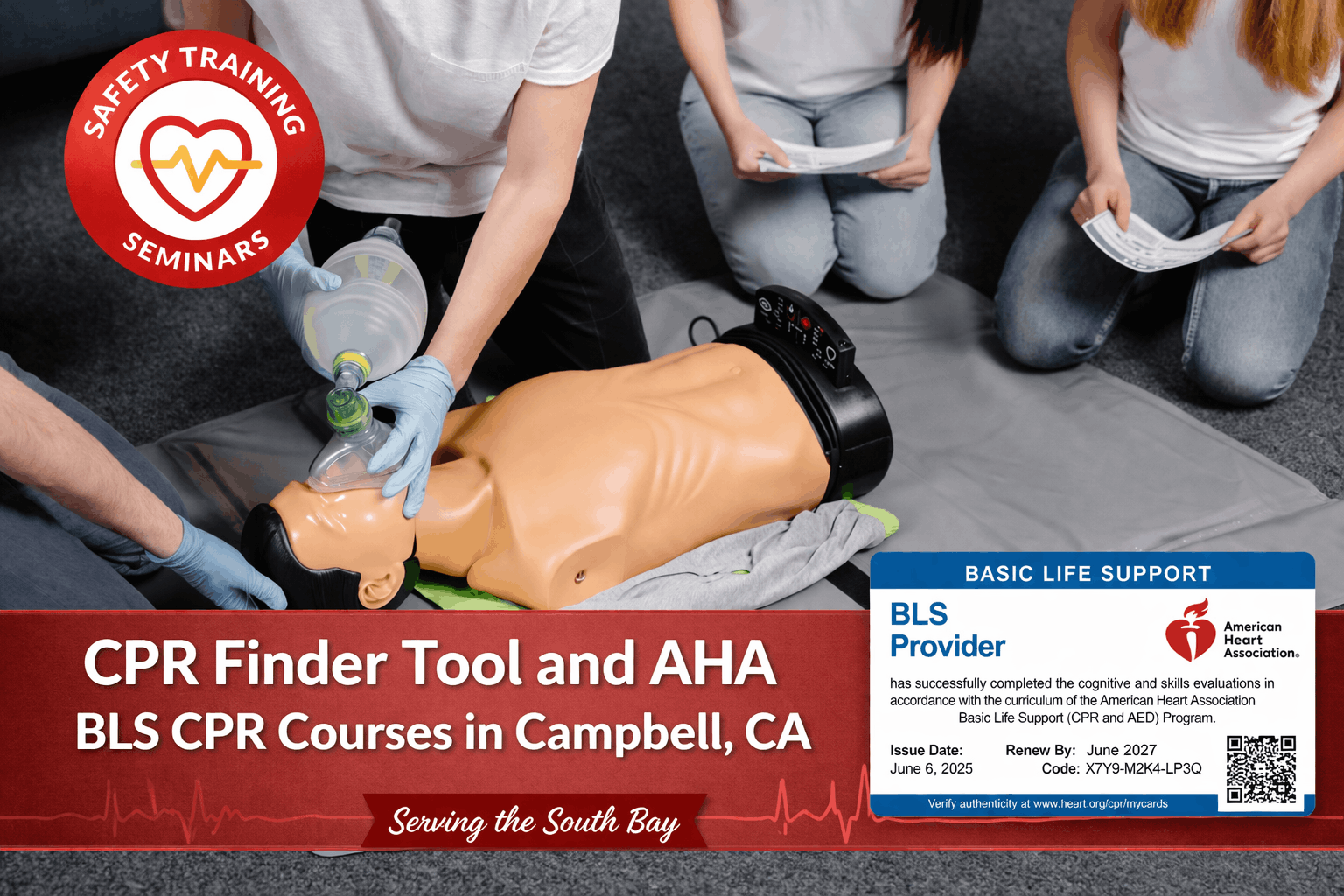
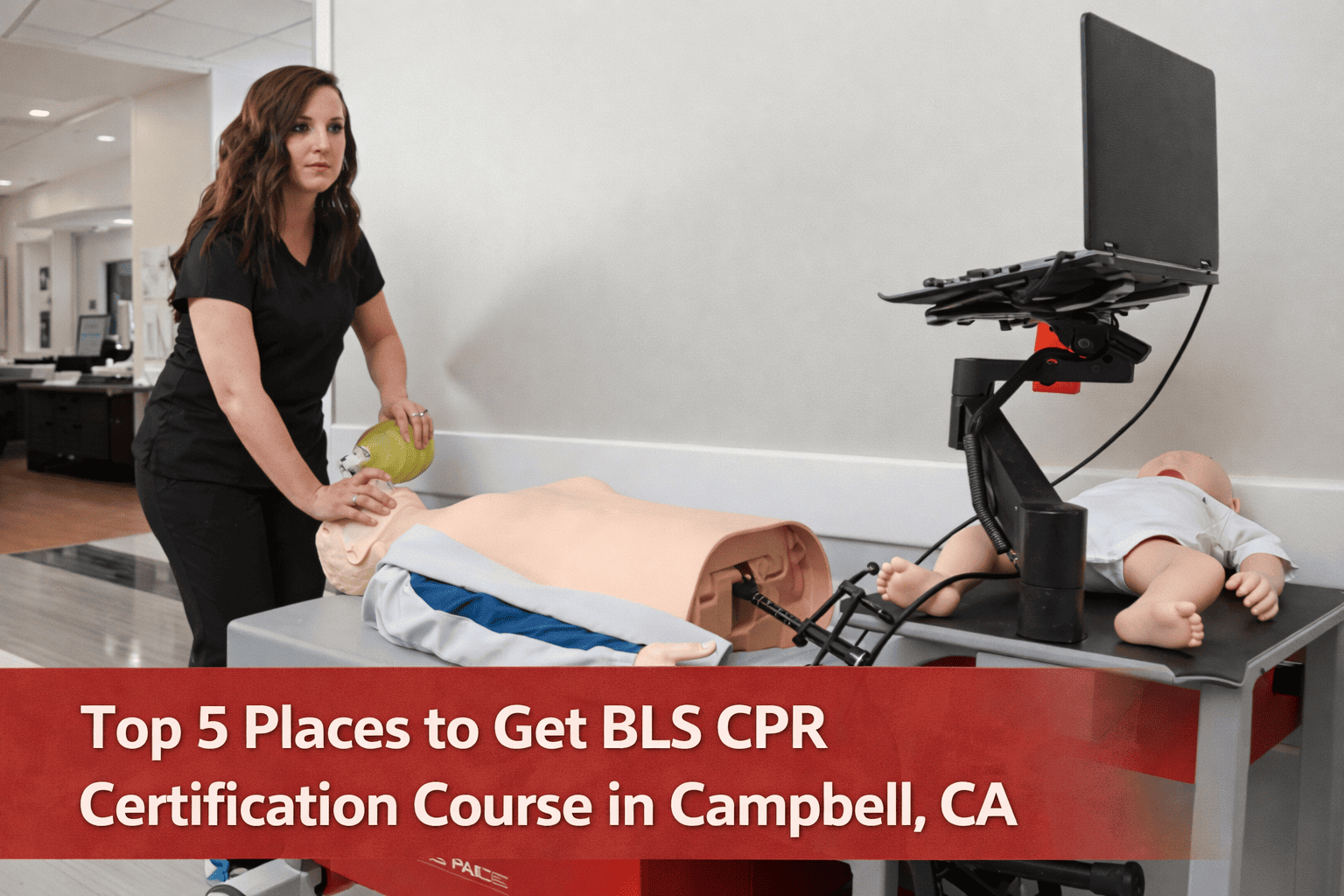
A professional BLS CPR Certification Course covers fundamental life-saving mechanics for healthcare workers. Unlike layperson CPR classes designed for fitness instructors, workplace safety captains, or childcare staff, BLS focuses on coordinated multi-rescuer resuscitation within clinical environments.
Core Curriculum and Skill Expectations
BLS training focuses on rapid assessment and mechanical intervention:
- High-quality chest compressions for adults, children, and infants
- Pocket mask and bag-mask ventilation techniques
- Automated External Defibrillator (AED) integration for all age groups
- Two-rescuer team dynamics and ventilation ratios
- Relief of foreign-body airway obstructions in conscious and unconscious patients
Who Needs BLS for Employment?
BLS certification is standard across almost all entry-level and advanced medical roles:
- Registered Nurses (RNs), Licensed Vocational Nurses (LVNs), and Certified Nursing Assistants (CNAs)
- Dental hygienists, general dentists, and dental assistants
- Emergency Medical Technicians (EMTs) and paramedics
- Physical therapists, occupational therapists, and radiologic technologists
- Students enrolled in health science or clinical rotation programs throughout Santa Clara County
Advanced Cardiovascular Life Support (ACLS): Adult Emergency Care
Advanced Cardiovascular Life Support expands beyond physical compressions into diagnostic and pharmacological interventions. ACLS protocols focus on managing adult patients experiencing life-threatening cardiac conditions, acute coronary syndromes, or stroke.
Specialized Skills Taught in ACLS
ACLS coursework addresses complex cardiovascular management:
- Systematic interpretation of electrocardiogram (ECG) rhythm strips
- Management of bradycardia, tachycardia, ventricular fibrillation, and pulseless electrical activity
- Airway management options, including supraglottic devices and endotracheal tube placement support
- Administration of resuscitation pharmacology such as epinephrine, amiodarone, adenosine, and atropine
- High-performance team leadership during active resuscitation events
Primary Target Careers for ACLS
Employers routinely list ACLS as a non-negotiable requirement for high-acuity adult care units:
- Emergency room nurses, ICU staff, and critical care transport teams
- Hospitalists, cardiologists, and emergency medicine physicians
- Respiratory therapists participating in hospital code teams
- Post-Anesthesia Care Unit (PACU) and surgical center personnel
- Paramedics providing advanced field resuscitation
Pediatric Advanced Life Support (PALS): Specialized Youth Resuscitation
Pediatric emergencies differ significantly from adult cardiac events. Children rarely experience primary cardiac arrest; instead, pediatric crises usually result from respiratory compromise or shock. Pediatric Advanced Life Support provides a systematic evaluation model to prevent and treat infant and child cardiovascular failure.
Core Focus Areas in PALS
PALS instruction prepares clinicians to evaluate and manage acute pediatric distress:
- Recognition of respiratory distress, respiratory failure, and upper/lower airway obstructions
- Identification and management of compensated vs. hypotensive shock
- Treatment of pediatric cardiac arrhythmias, including supraventricular tachycardia (SVT)
- Systematic “Evaluate-Identify-Intervene” clinical assessment methodology
- Vascular access considerations, including intraosseous (IO) needle insertion principles
Typical Roles Requiring PALS
PALS certification is tailored to medical personnel caring for young patients:
- Pediatric emergency physicians and general pediatricians
- Pediatric ICU (PICU) and Neonatal ICU (NICU) nursing staff
- Emergency department nurses handling pediatric intake
- Flight nurses and pediatric transport paramedics
- School nurses managing complex chronic or acute medical conditions
Side-by-Side Certification Comparison
Understanding how these certifications compare helps job-seekers plan their training schedules efficiently:
| Feature | BLS Certification | ACLS Certification | PALS Certification |
| Primary Focus | Core CPR, AED, and airway clearance | Adult cardiac algorithm management | Pediatric resuscitation and shock |
| Patient Age Scope | Adult, Child, Infant | Adult | Infant and Child |
| Key Prerequisites | None | Strong BLS foundation, ECG skills, pharmacology | Strong BLS foundation, pediatric pharmacology, ECG skills |
| Typical Prerequisites | Entry to clinical work | BLS card | BLS card |
| Renewal Cycle | Every 2 years | Every 2 years | Every 2 years |
Clinicians entering acute care roles often need both BLS and ACLS, or BLS and PALS, before stepping onto the floor. Completing these requirements in a logical sequence prevents scheduling conflicts during credential verification.
Job-Hunting Strategy in Santa Clara County
Healthcare professionals looking for positions in Campbell and surrounding Silicon Valley communities must navigate distinct local hiring environments. Major medical centers in nearby hubs like San Jose, Santa Clara, and Saratoga maintain strict compliance standards for incoming healthcare professionals.
Job-seekers commuting from neighboring cities like Milpitas, Monte Sereno, or Morgan Hill should factor commute logistics into their class scheduling. Enrolling in courses that combine online self-paced instruction with in-person skills practice offers flexibility when preparing multiple application files simultaneously.
If you are transitioning between facilities, always verify whether your target employer accepts blended learning formats or strictly mandates classroom instruction.
Training Options at Safety Training Seminars
For candidates preparing application materials or renewing expiring cards across the South Bay, convenient access to local training centers streamlines the job search process.
Safety Training Seminars offers regular certification options at their local training facility:
Safety Training Seminars Campbell CPR Training Center Address:
125 E Sunnyoaks Avenue, Suite 111, Campbell, CA 95008
Positioned easily for residents of Campbell and nearby communities like Mountain View and Palo Alto, this location supports healthcare professionals needing prompt skills practice sessions.
Checking course options on a dedicated Monte Sereno area course location page allows job-seekers to secure a training date that fits their immediate hiring or license renewal deadlines.
Frequently Asked Questions
Can I take ACLS or PALS without holding a BLS certification?
No, BLS skills form the foundational physical component of both ACLS and PALS. Advanced courses assume you can perform high-quality chest compressions and bag-mask ventilation without instruction. Employers require a valid BLS credential alongside any advanced certifications.
How do I know if my employer requires a specific training provider?
Check your job offer letter, position description, or onboarding portal. Most clinical employers explicitly state whether they require courses following specific national emergency cardiovascular care guidelines. When in doubt, confirm directly with your department manager or recruiter prior to enrolling.
Are online-only CPR certificates accepted for clinical job applications?
Purely online CPR certificates lacking a live hands-on skills assessment are almost universally rejected by healthcare employers and state licensing boards. Clinical roles require demonstrated competence using physical manikins and feedback devices.
What happens if my certification expires while I am applying for jobs?
An expired card usually renders your application incomplete for positions requiring active credentials. You will need to take a renewal or full course to regain active status before clinical onboarding can proceed.
Preparing Your Application Requirements
Securing the right life support credential removes hiring friction and demonstrates clinical readiness to recruiters. If you are applying for general healthcare roles, start with a foundational BLS course. If your target position involves adult emergency medicine or pediatric specialty units, plan to complete BLS alongside your required ACLS or PALS coursework.
Confirming employer prerequisites, planning your training timeline, and scheduling your hands-on assessment ensures you hold active, compliant credentials when job offers arrive. Reviewing available schedules on the Palo Alto area course location page provides a clear view of upcoming training dates to keep your career move on track.